

Thiết kế ánh sáng sân khấu: Hướng dẫn chuyên nghiệp để lập kế hoạch cho một buổi biểu diễn hoàn hảo

Stage lighting design is the bridge between performance and emotion. It transforms empty spaces into vivid scenes and helps the audience deeply connect with every movement and line on stage. From intimate church gatherings to crowded music festivals, lighting gives shape and vitality to performances.
This guide will delve into how to design stage lighting that fits the venue, narrative, and budget, ensuring your next show is as visually stunning as it is acoustically impressive.
What Are the Basics of Stage Lighting Design?
Stage lighting design is the art of shaping the visual and emotional tone of a performance. It creates depth, evokes emotions, and establishes rhythm through light. A well-planned design highlights key performers, enhances scene texture, and reinforces the story unfolding on stage.
Every detail matters: the angle of a spotlight, the hue of a color, and the timing of lighting cues all work together to build an immersive experience.
Core Elements of Stage Lighting Design
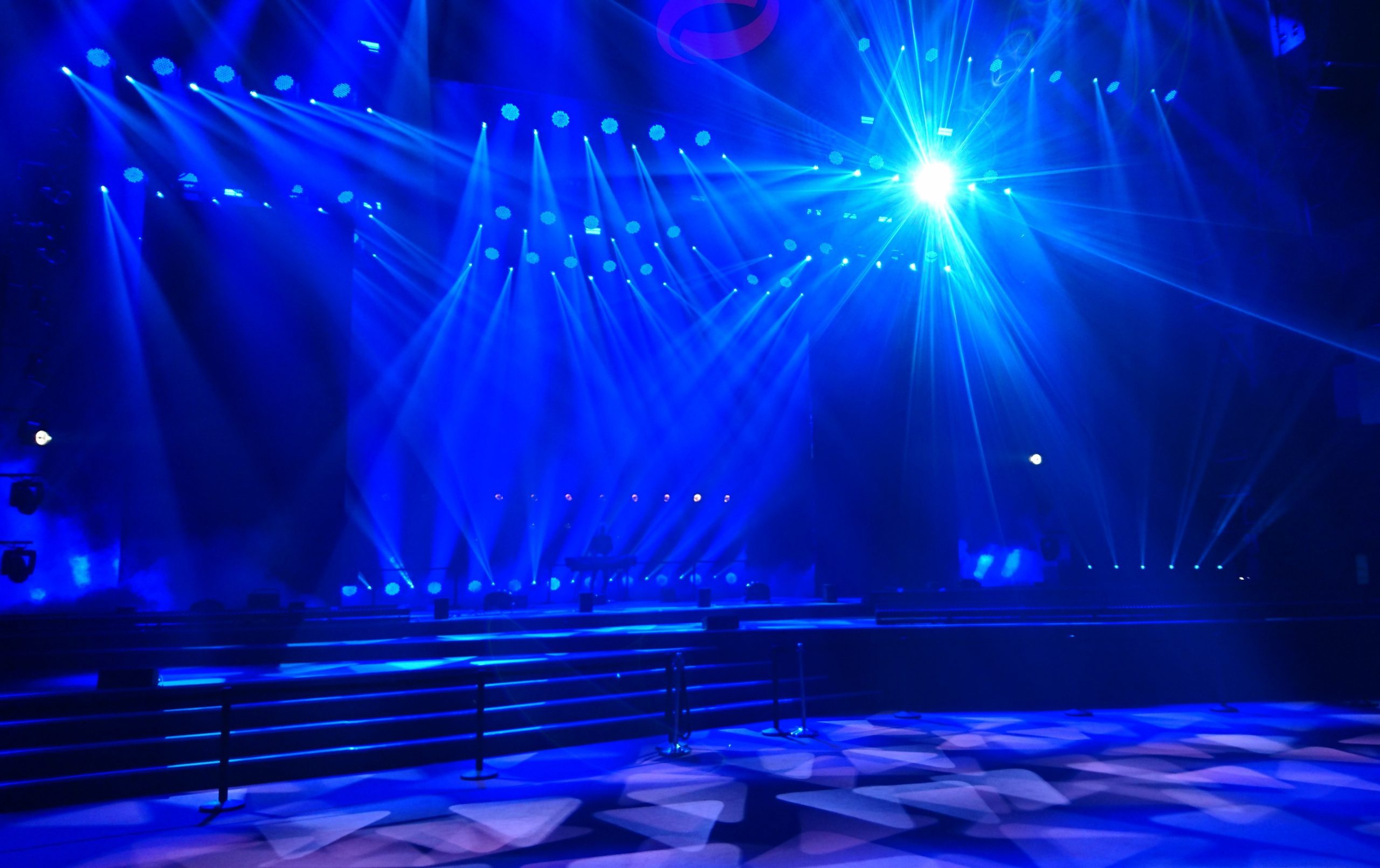
The essence of stage lighting design lies in making every element serve the story and emotional core of the performance. Key elements include:
- Color: Sets the emotional atmosphere of a scene. Warm tones like amber and red convey passion, while blues and purples add mystery.
- Angle and Direction: Defines depth and form. Front lighting highlights performers, while side lighting creates dramatic tension through shadows.
- Intensity and Focus: Guides the audience’s attention. Bright light emphasizes key actions; soft light creates atmosphere.
- Movement and Transitions: Infuses life into the stage. Gentle fades or rapid shifts match the performance rhythm.
Step-by-Step Guide to Stage Lighting Design
Step 1: Analyze the Script or Performance Plan
First, clarify the performance requirements. Carefully read the script or setlist to identify emotional peaks, scene transitions, and moments that require visual emphasis.
Step 2: Build the Technical Infrastructure
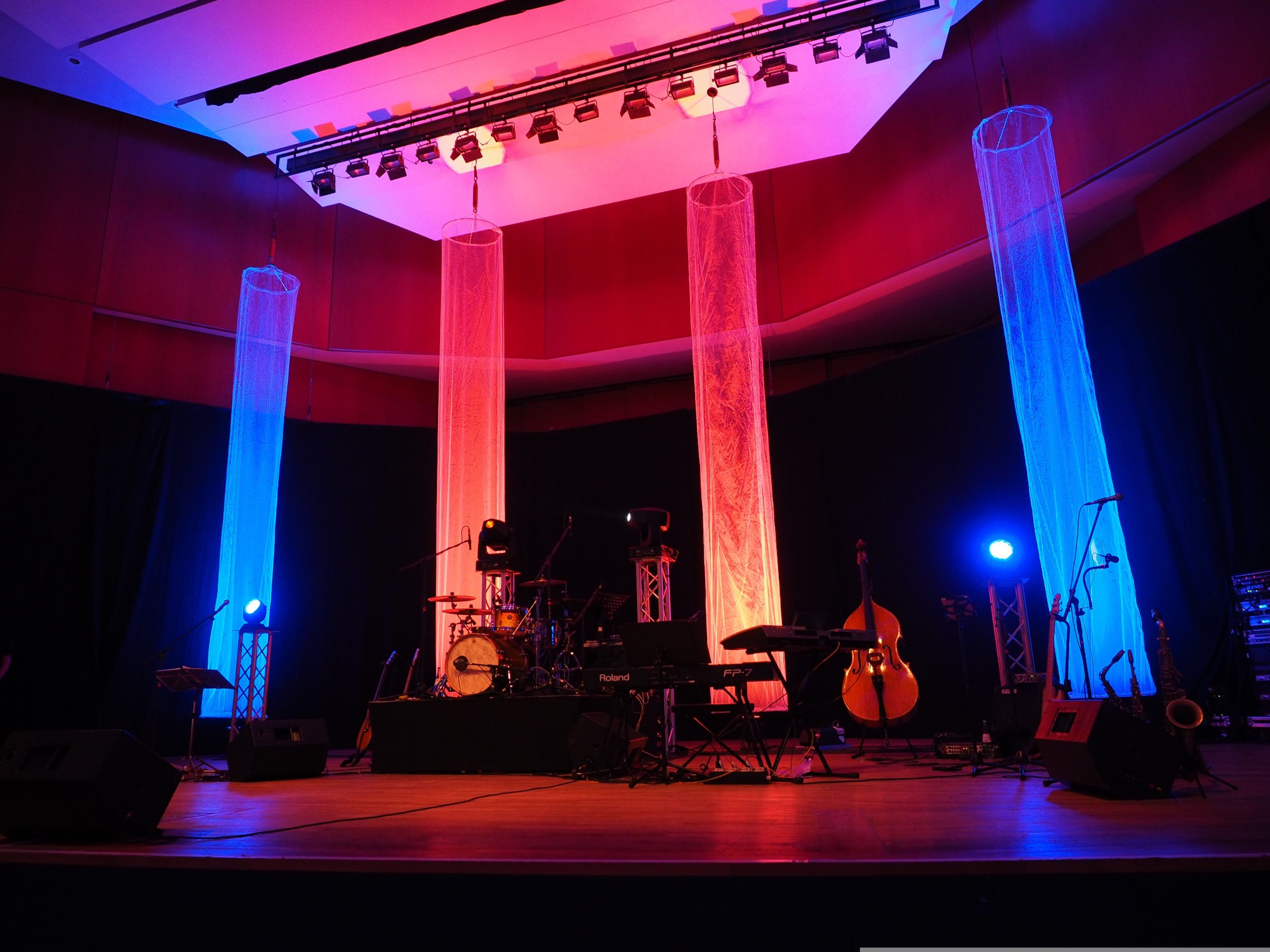
Gather key venue information, including size, ceiling height, and power capacity. This data determines the number of fixtures needed. Essential equipment includes:
- LED PAR Lights: For basic lighting of the entire stage area.
- Moving Head Lights: Fixtures that can rotate flexibly to create dynamic visual effects.
- Spotlights: Fixtures that concentrate beams to accurately illuminate specific areas.
- DMX Controllers: For seamless lighting cue management.
Looking for reliable gear? Đèn Caitu provides professional-grade fixtures for theaters, churches, and concerts.
Step 3: Create a Lighting Plot & Program Cues
Sketch a blueprint marking each fixture’s position and color. Once set up, program the lighting cues into the console to control fading, flashing, or color changes.
Lighting Design for Different Venues
Lighting design needs to adapt to the stage type and performance goals. Below is a comparison of common setups.
1. Theater Stage Lighting
Focuses on storytelling and emotional resonance.
| Light Type | Purpose | Best Application |
|---|---|---|
| Warm Front Lights | Create natural atmosphere | Opening scenes / Daytime |
| Side Lighting | Add depth to movements | Dance & Dialogue |
| Spotlights | Guide attention | Key emotional moments |
2. Church Stage Lighting
Creates an atmosphere of peace and connection.
| Light Type | Purpose | Best Application |
|---|---|---|
| Warm LED Front Lights | Inviting worship atmosphere | Main stage area |
| Focus Lights | Highlight speakers | Pulpit or altar |
| Color Filters | Enhance themes | Special ceremonies |
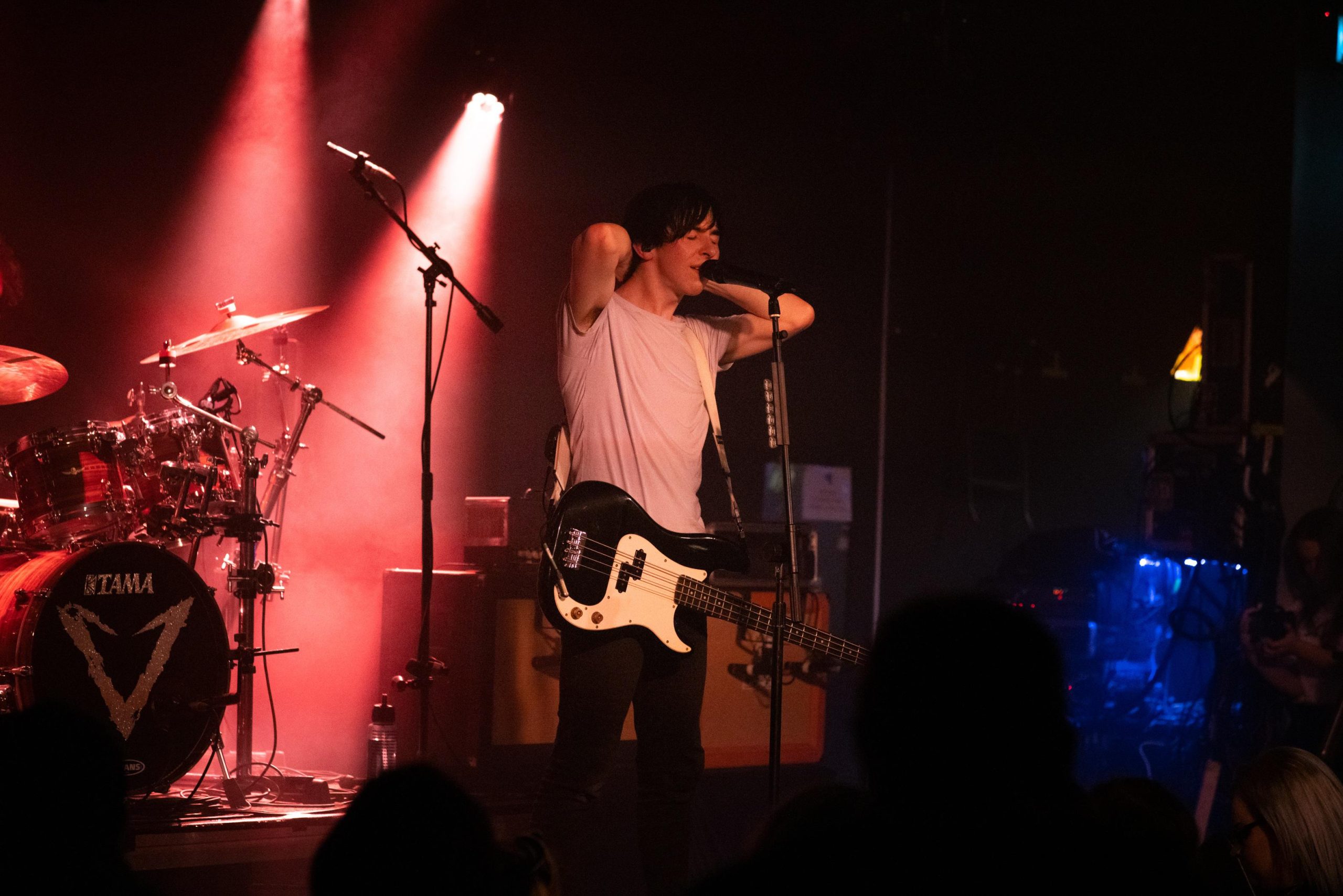
3. Concert Stage Lighting
Focuses on rhythm, energy, and visual spectacle.
| Light Type | Purpose | Best Application |
|---|---|---|
| Moving Head Lights | Add dynamism | Solos & Dance segments |
| Strobe Lights | Boost energy | Music climaxes |
| Laser Lights | Visual layers | Openings |
4. Club Stage Lighting
Designed to energize the atmosphere and match the beat.
| Light Type | Purpose | Best Application |
|---|---|---|
| Laser Effect Lights | Match rhythm | Dance floor / DJ booth |
| Strobe Lights | Intensify drops | Music peaks |
| Front Lights | Visual contrast | Background areas |
Common Lighting Challenges & Solutions
- Limited Budget: Choose multi-functional fixtures (like wash lights that double as spots) and rent for short-term needs.
- Complex Programming: Spend time familiarizing yourself with console functions and run rehearsals to optimize timing.
- Uneven Coverage: Test angles thoroughly before the show to balance front, side, and back lighting.
- Heat Management: Switch to LED fixtures to run cooler and save electricity.
Ready to light up your next show?
From entry-level LEDs to professional moving heads, we have the gear you need.
Frequently Asked Questions
Spotlights, LED PAR lights, moving head lights, floodlights, and ellipsoidals (Lekos) are the most commonly used fixtures.
Use warm LED lights with adjustable brightness. Focus on the altar and speakers, while keeping the background softly illuminated to maintain a peaceful atmosphere.
Lightkey and ChamSys are great for programming and control, while Capture Visualizer is essential for 3D simulation and pre-visualization.